Fillers vs. Fat Transfer: Which Is Right for You?
Can Fillers or Fat Transfer Restore Facial Volume?
Yes, both dermal fillers and fat transfer can restore facial volume and reduce signs of aging. As we age, we lose bone structure and fat, leading to sagging and hollow areas. While both treatments enhance contours and create a more youthful look, they differ in how they work, how long they last, and the overall experience.
Why Facial Volume Loss Happens
Facial aging is not just about wrinkles, it is largely driven by changes in fat volume and position and underlying structural support. Over time:
- Fat pads in the face shrink and shift downward
- Bone resorbs and structural support weakens
- Skin loses elasticity and collagen
This combination creates hollowed eyes, deeper smile lines, and a less defined jawline. Treatments like fillers and fat transfer aim to restore this lost volume and improve overall facial balance.
Dermal Fillers and Biostimulators
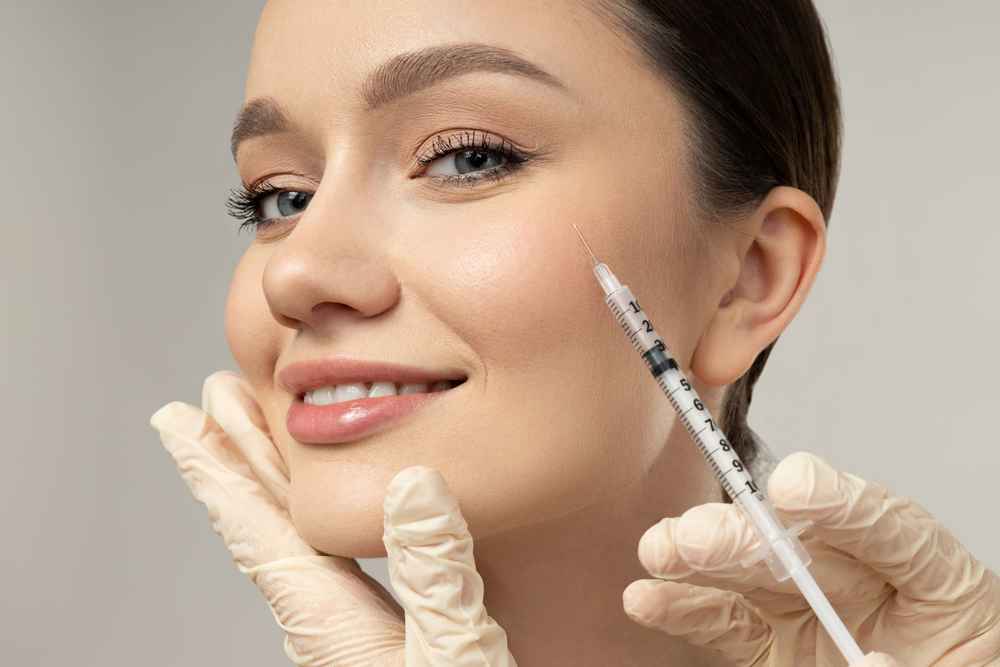
Dermal fillers, particularly hyaluronic acid (HA) fillers, and biostimulators like Sculptra are commonly used to restore volume and enhance facial structure. These treatments are injected directly into targeted areas to provide immediate improvement.
Benefits of Fillers
- Immediate results with visible improvement
- Minimal to no downtime
- Non-surgical and performed in-office
- Highly predictable outcomes
Limitations of Fillers
- Temporary results (typically 6–12 months)
- Requires maintenance treatments
- Can become costly over time
- Multiple sessions may be needed for optimal results
Fat Transfer (Fat Grafting)
Fat transfer uses your body’s own fat to restore facial volume. Fat is typically harvested from areas like the abdomen or thighs through a liposuction process, purified, and then injected into the face. This approach is ideal for patients looking for a more natural and longer-lasting solution.
Benefits of Fat Transfer
- Uses your own natural tissue
- Long-lasting or permanent results once established
- Improves skin quality and texture
- Ideal for global volume restoration (cheeks, temples, jawline)
- Eliminates need for frequent maintenance treatments
Limitations of Fat Transfer
- Requires a minor surgical procedure
- More downtime compared to fillers
- 30–60% of fat may not survive after transfer
- Results can be less predictable
- May require multiple procedures to achieve desired outcome
Fillers vs. Fat Transfer: Key Differences
Fillers are ideal for patients who want quick, predictable results with minimal downtime. They are excellent for precise, targeted enhancements. However, they require ongoing maintenance.
Fat transfer, on the other hand, is better suited for patients seeking more comprehensive facial rejuvenation with longer-lasting results. While it involves more downtime and variability, it provides a more natural and permanent solution.
Which Option Is Right for You?
Choosing between fillers and fat transfer depends on your goals and preferred downtime. Fillers offer a quick, non-invasive option, while fat transfer provides longer-lasting, more comprehensive results. A consultation can help determine the best approach for your needs.
Rockville Office
3204 Tower Oaks Blvd
Suite 400
Rockville, MD 20852
Phone: 301-315-0003
Fax: 301-315-0002
Open: Mon - Fri 9am-4:30pm
Home
Cancellation/No-Show Policy
Privacy Policy
HIPAA Statement
Accessibility
Terms of Use
No Surprises Act
Contact Us
